The Importance of a Safe Environment
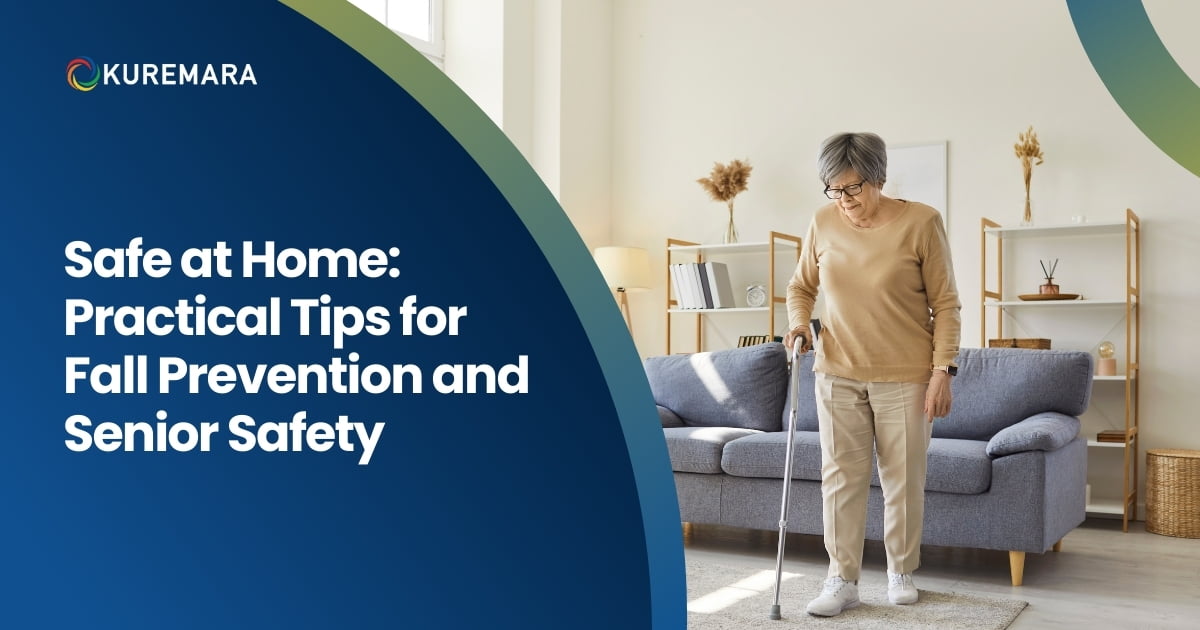
Falls are one of the most significant health and safety concerns for older adults. According to global health research, one in three adults over the age of 65 experiences at least one fall every year, and falls remain a leading cause of injury-related hospitalisations among seniors. In the UK, NHS data consistently highlights that falls account for over 220,000 emergency hospital admissions annually for individuals aged 65 and older. (Source: Gov UK)
These numbers reflect something very important: most falls don’t occur outside the home — they happen inside, often during everyday activities. A small misstep, a dim hallway, or a slippery bathroom floor can lead to serious injury and long-term loss of confidence.
Building a safer home environment is one of the most effective ways to preserve independence, dignity, and quality of life. This blog will walk you through practical, realistic fall-prevention strategies that can make every room in the home significantly safer.
Understanding the CoreRisks (The “Why”)
Fall prevention begins with understanding the factors that make seniors more vulnerable. These include both intrinsic (personal) and extrinsic (environmental) risks.
1. Intrinsic (Personal) Risk Factors
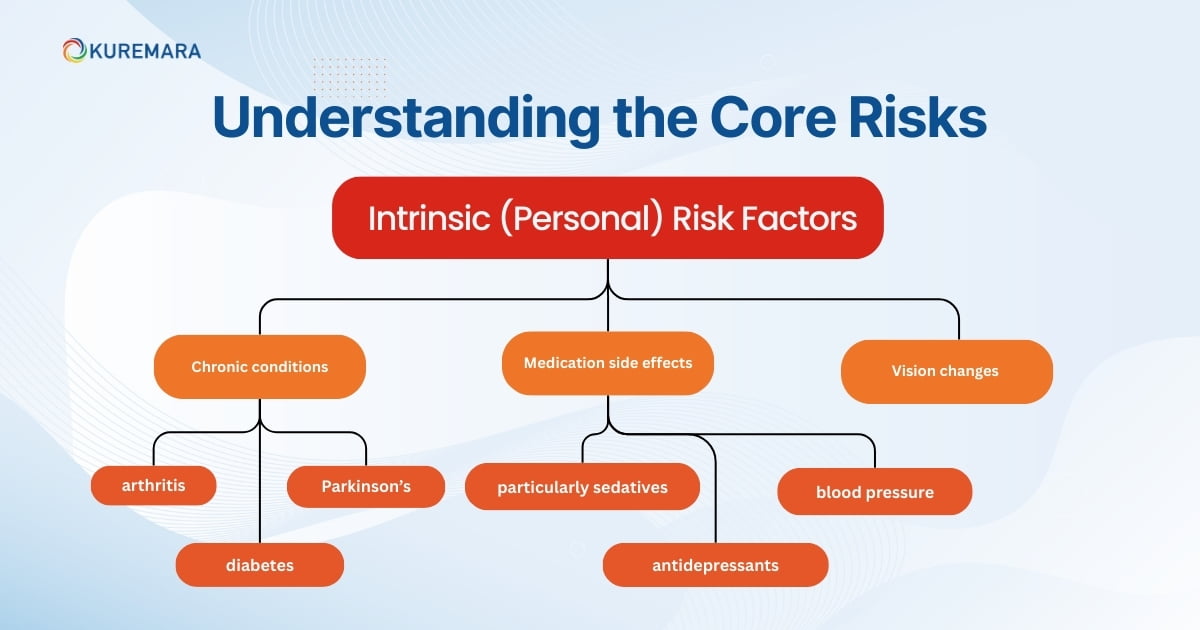
Certain age-related changes increase the likelihood of a fall:
- Chronic conditions such as arthritis, diabetes, or Parkinson’s may reduce mobility and balance.
- Medication side effects — particularly sedatives, antidepressants, and blood pressure medication — can cause dizziness or slower reaction time.
- Vision changes such as cataracts or reduced depth perception make it harder to navigate the home.
These personal factors often cannot be avoided, but they can be supported with better home design and proactive caregiving.
2. Extrinsic (Environmental) Risk Factors
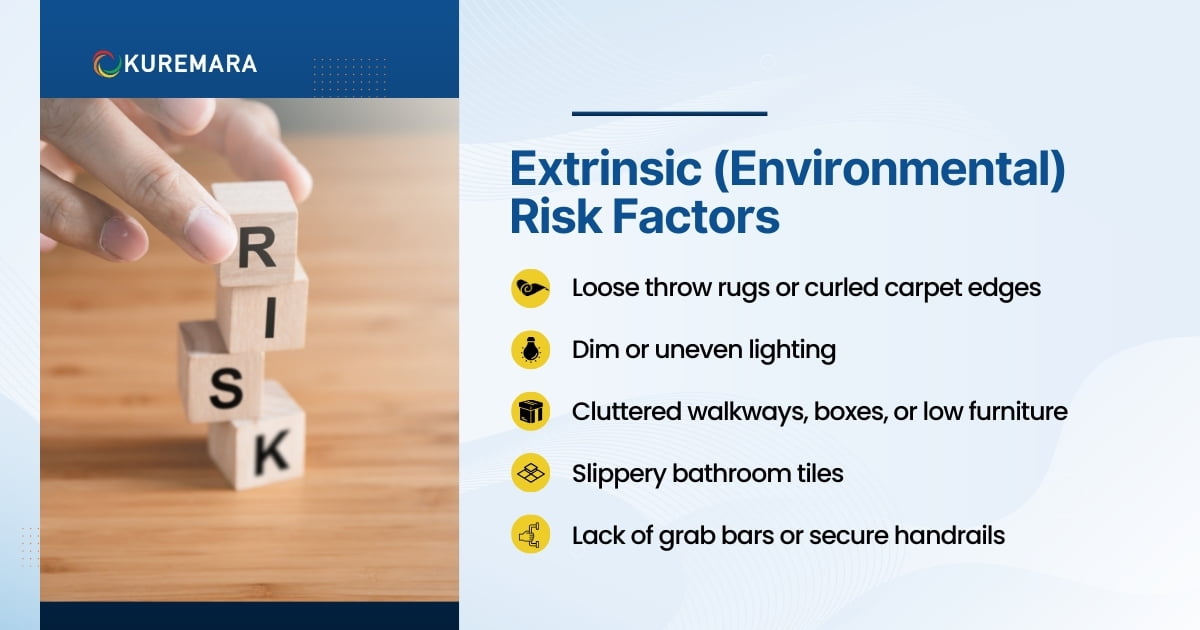
Environmental hazards are often overlooked because they blend into daily life:
- Loose throw rugs or curled carpet edges
- Dim or uneven lighting
- Cluttered walkways, boxes, or low furniture
- Slippery bathroom tiles
- Lack of grab bars or secure handrails
Most of these hazards can be resolved with simple, affordable adjustments.
Practical Fall Prevention Tips by Room (The “What”)
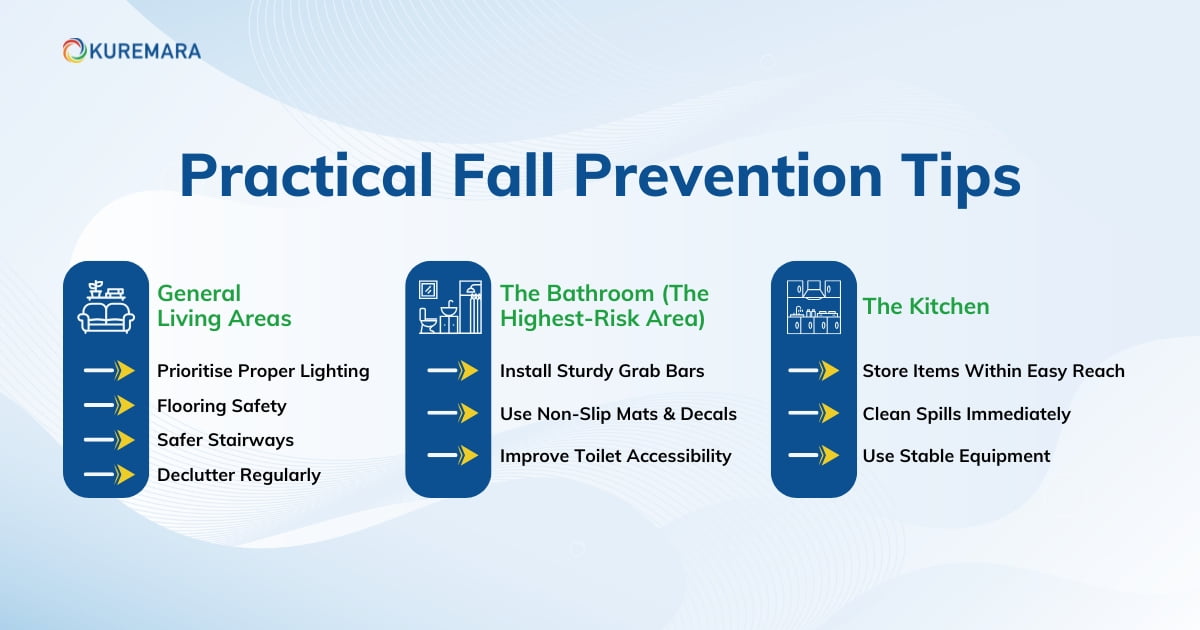
1. General Living Areas(Living Room, Hallways, Stairs)
These are the most frequently used spaces, making them important areas for fall prevention.
1. Prioritise Proper Lighting
Ensure lighting is bright without causing glare. Add motion-sensor nightlights in hallways, bedrooms, and bathrooms for safe nighttime movement.
2. Flooring Safety
Use non-slip backing on rugs or remove them altogether. Keep cords and wires away from walking paths by securing them against walls.
3. Safer Stairways
Install handrails on both sides of stairs. Add high-contrast tape to stair edges to improve visibility, especially for seniors with reduced vision.
4. Declutter Regularly
Keep walkways open and remove unnecessary items from around beds, sofas, and chairs where movement is frequent.
2. The Bathroom (The Highest-Risk Area)
Bathrooms are responsible for a large percentage of senior fall-related injuries due to hard surfaces and wet floors.
1. Install Sturdy Grab Bars
Properly fitted grab bars near toilets and inside showers or bathtubs provide essential support. Avoid using towel racks for this purpose.
2. Use Non-Slip Mats and Decals
Place non-slip mats inside tubs and showers. Use non-slip rugs on the bathroom floor to reduce slipping.
3. Improve Toilet Accessibility
A raised toilet seat or a toilet frame can make standing and sitting much easier and safer.
3. The Kitchen
The kitchen requires reaching, bending, and carrying — all common causes of falls.
1. Store Items Within Easy Reach
Place frequently used items between shoulder and hip level. Avoid climbing onto chairs or unstable stools.
2. Clean Spills Immediately
Water, oil, or even small food particles can become dangerous slipping hazards.
3. Use Stable Equipment
If a step stool is necessary, choose one with a handle and non-slip feet to prevent tipping.
Personal and Health-Related Safety Measures
1. Choose Supportive Footwear
Wear non-slip, low-heeled shoes or indoor slippers with grip. Walking in socks alone significantly increases slipping risk.
2. MaintainRegular Vision Check-Ups
Annual eye exams help ensure glasses are up-to-date, improving depth perception and hazard awareness.
3. Review Medications Periodically
Speak with a doctor or pharmacist about any medication causing drowsiness or dizziness. Adjustments may reduce fall risk.
4. Encourage Gentle Exercise
Activities like walking, stretching, balance training, or Tai Chi help strengthen muscles and support coordination. Studies indicate that seniors who engage in regular balance exercises experience up to 30% fewer falls. (Source: PubMed)
Must Read: Simple Ways to Keep Elders Engaged and Energised
Essential Senior Safety & Preparedness
1. Keep Emergency Tools Accessible
- Keep a mobile phone or emergency device easily reachable at all times.
- Medical alert systems (watches, pendants) provide immediate help if needed.
2. Strengthen Home Security
Simple measures such as checking door locks, using peepholes, or verifying visitor identity help prevent unsafe situations.
3. Maintainan Emergency Information Sheet
Display an updated list of:
- Emergency contacts
- Medications
- Healthcare providers
A visible spot like the refrigerator works best.
How Kuremara Helps Seniors Stay Safe at Home
Creating a safer home goes beyond physical adjustments — it requires compassionate, consistent care that supports seniors in every aspect of daily life. Kuremara, a trusted provider of home care, live-in care, companionship, respite care, and complex care services, plays an essential role in fall prevention across the United Kingdom.
1. Live-In Care: 24/7 Support for Maximum Safety
With a live-in carer present around the clock, seniors receive continuous supervision, assistance, and reassurance. This significantly reduces fall risks.
Support includes:
- Help with walking, standing, and transfers
- Guidance at night or during bathroom visits
- Keeping floors clutter-free
- Preparing safe meals and maintaining a hazard-free kitchen
- Ensuring proper use of walking aids
2. Complex Care: Specialised Support for High-Risk Seniors
For seniors with long-term health conditions or reduced mobility, Kuremara’s complex care professionals provide tailored strategies that reduce fall risk and support overall well-being.
This includes:
- Safe equipment use
- Monitoring medication side effects
- Supporting individuals with conditions such as Parkinson’s or dementia
- Collaborating with therapists and nurses
3. Companionship Care: Encouragement, Movement, Confidence
Loneliness often causes seniors to attempt risky activities alone. Companionship carers offer emotional support, conversation, and safe assistance with daily tasks.
Carers help with:
- Encouraging light exercise
- Supporting safe movement around the home
- Assisting with household chores
- Ensuring mobility aids are always within reach
4. Respite Care: Safety While Families Rest
Kuremara’s respite services ensure that even when the main family carer is away, the senior remains safe and supported.
Respite carers provide:
- Supervision
- Help with personal care
- Assistance with mobility and transfers
- Reinforcement of safe movement routines
5. A Personalised Home Safety Strategy
Each senior receives a customised home safety assessment, where Kuremara’s team identifies risks and creates a tailored fall-prevention plan. This proactive approach helps families maintain confidence in their loved one’s safety and independence.
Conclusion: Taking the First Step Toward a Safer Home
Fall prevention is not about making dramatic or expensive changes. Often, it’s the simplest adjustments — better lighting, supportive footwear, safer bathrooms, and regular exercise — that make the biggest difference. Combined with caring, reliable support from providers like Kuremara UK, seniors can continue living comfortably and confidently in their own homes.
Start today by conducting a Home Safety Audit in your home or for your loved one. Every small improvement is a step toward lasting safety, independence, and peace of mind.
Need help supporting a loved one at home?
Contact Kuremara today to learn how our live-in care, complex care, companionship, and respite services can create a safer living environment and improve quality of life.