Facing a life limiting illness is one of the most difficult experiences a family can endure. Beyond physical symptoms there is emotional strain anxiety and fear uncertainty about the future and stress that often goes unspoken. This blog explores how palliative care and palliative care at home can bring peace dignity and support not only to the person receiving care but also to their loved ones. As a trusted home care provider in the United Kingdom Kuremara is dedicated to compassionate personalised palliative home care that supports families throughout this journey.
What Is Palliative Care
Definition of Palliative Care
Palliative care is a specialised approach to care focused on improving quality of life for people living with serious or life limiting conditions. It is about relieving distressing symptoms improving comfort and supporting physical emotional social and spiritual wellbeing.
Core Principles of Palliative Care
Palliative care aims to help individuals live as well as possible for as long as possible. It focuses on symptom management such as pain nausea breathlessness and fatigue while acknowledging emotional support social needs and quality of life for both the person and their loved ones.
Why Palliative Care Is Not Just End of Life Care
A common misconception is that palliative care is synonymous with end of life care. While palliative care plays a vital role in end of life it can begin at any stage of a serious illness. The goal is to improve quality of life from early diagnosis through all stages of the condition.
Palliative Care at Home The Best Place for Comfort
What Is Palliative Care at Home
Palliative care at home means delivering specialist care where the person feels most comfortable surrounded by familiar spaces and loved ones. It integrates professional clinical support with personalised emotional and practical care.
Benefits of Palliative Home Care
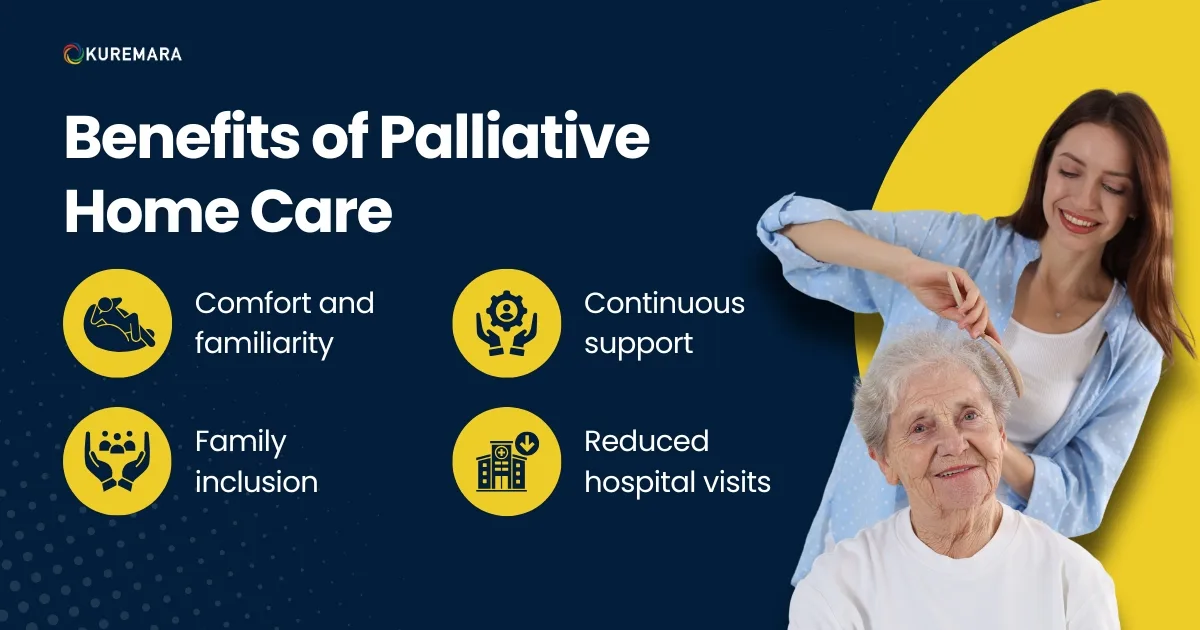
1. Comfort and familiarity being at home, often reduce stress and anxiety.
2. Continuous support carers and healthcare professionals can work together to monitor symptoms and adjust care.
3. Family inclusion relatives can be present and participate in care decisions, routines, and comfort measures.
4. Reduced hospital visits, which means less disruption and more rest for the person and their family.
How Kuremara Supports Palliative Home Care
At Kuremara our carers receive specialised training to support palliative care needs. We work closely with GPs district nurses and specialist palliative care teams to tailor care plans. With personalised care we help families navigate symptom relief daily routines and emotional support.
End of Life Care vs Palliative Care
Understanding the Difference
End of life care is focused on the final months weeks or days of a person’s life when active treatments are no longer effective or appropriate.
Palliative care can start much earlier in the illness timeline and continues through all stages ensuring comfort dignity and quality of life.
Key Differences Explained
Aspect | Palliative Care | End of Life Care |
When it starts | Any stage of serious illness | Final stages of life |
Main goal | Quality of life and symptom management | Comfort and dignity as life ends |
Duration | Variable ongoing | Final phase only |
It is important to address worries like does palliative care mean death. Palliative care supports life enhances comfort and is not about hastening or delaying death it is about giving people the best quality of life possible.
Common Misconceptions and Myths About Palliative Care
* Myth: Palliative Care Means Giving Up
Some believe that accepting palliative care means abandoning other treatments. In fact palliative care can be provided alongside curative or life prolonging treatments and is focused on making people more comfortable and supported.
* Myth: Palliative Care Only Happens at the Very End
Palliative care is not reserved for the final weeks of life. It can begin when life limiting symptoms appear or after diagnosis of a serious condition.
* Myth: Palliative Care Hastens Death
Palliative care manages symptoms and supports overall wellbeing. Many people experience improved quality of life and can live longer with effective symptom control and support.
How Kuremara Breaks These Myths in Practice
At Kuremara we educate families about the real benefits of palliative care. Our compassionate carers show through daily support that palliative care is about living well with dignity not about giving up hope.
When Should Palliative Care Be Offered
a. Recognising the Need
Palliative care should be considered when someone is diagnosed with a serious condition experiences worsening symptoms or is facing a reduced quality of life. It is important to offer support early rather than waiting for crisis moments.
b. The Journey Through Palliative Care
Understanding the 5 stages of palliative care helps families prepare emotionally and practically:
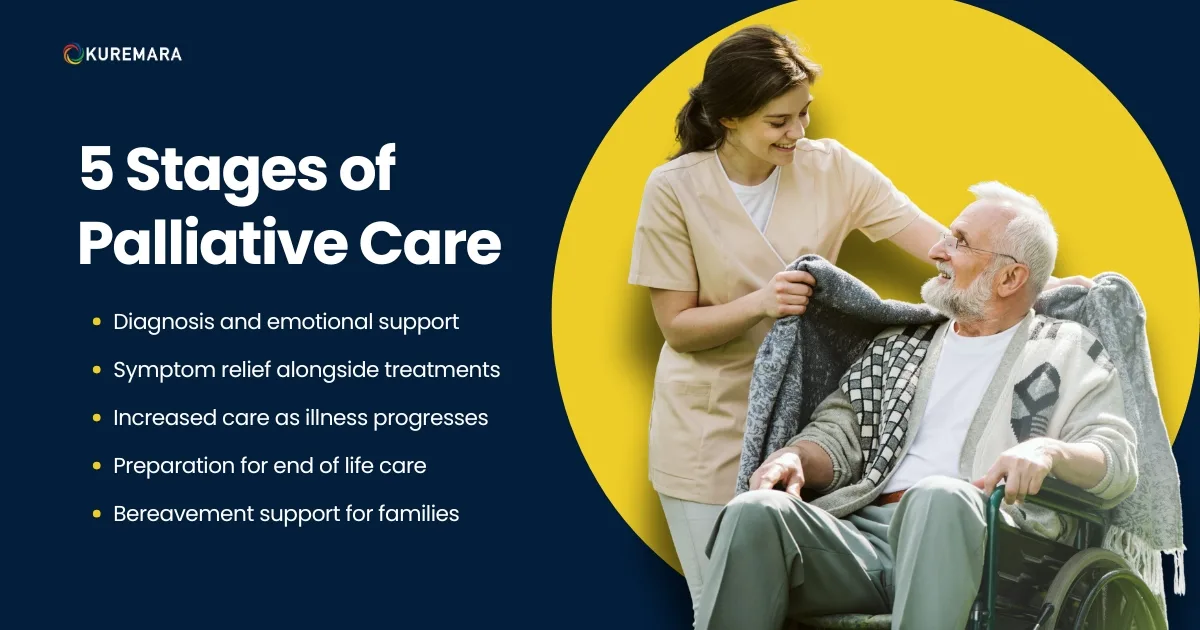
1. Diagnosis and emotional support
2. Symptom relief alongside treatments
3. Increased care as illness progresses
4. Preparation for end of life care
5. Bereavement support for families
This framework helps families know that support continues at every step and that questions like when should someone be offered palliative care can be answered with compassionate guidance.
Emotional and Practical Support for Families
a. Hidden Stress Families Face
Caring for someone with a life limiting illness brings emotional stress uncertainty about decisions fatigue and fear of loss. These pressures often remain unspoken but are very real.
b. How Home-Based Care Reduces Family Stress
Home based palliative care provides routine professional support guidance in symptom relief and practical help with care tasks. This reduces the burden on families and gives them the space to be present with their loved ones.
c. Kuremara’s Compassionate Approach
At Kuremara we emphasise emotional connection practical support and dignity. Our carers are trained not only to help with physical care needs but also to listen and support families throughout the palliative journey.
Practical Steps to Prepare for Palliative Home Care
1. Creating a Comfortable Home Environment
Small adaptations can improve comfort and safety such as placing essential items within reach adding supportive seating and ensuring access to pain relief and medications.
2. Coordinating With Healthcare Professionals
Work with GPs palliative specialists and district nurses to ensure a coordinated approach to symptom management and care planning. Clear communication enhances consistency and confidence in care quality.
3. Legal and Practical Planning Tips
Discuss and document wishes for advance care planning preferences for comfort measures and legal arrangements such as power of attorney. These steps provide peace of mind for families and the person receiving care.
Conclusion
Palliative care and palliative care at home bring essential comfort dignity and support to individuals with serious illness and their families. Understanding what palliative care is how it differs from end of life care and when it should be offered helps families navigate one of life’s most challenging journeys. At Kuremara we are committed to compassionate personalised palliative home care across the United Kingdom supporting families with respect love and professional excellence.
If you or a loved one needs specialist palliative home care support contact Kuremara today to learn how we can help you find peace comfort and dignity in the comfort of home.