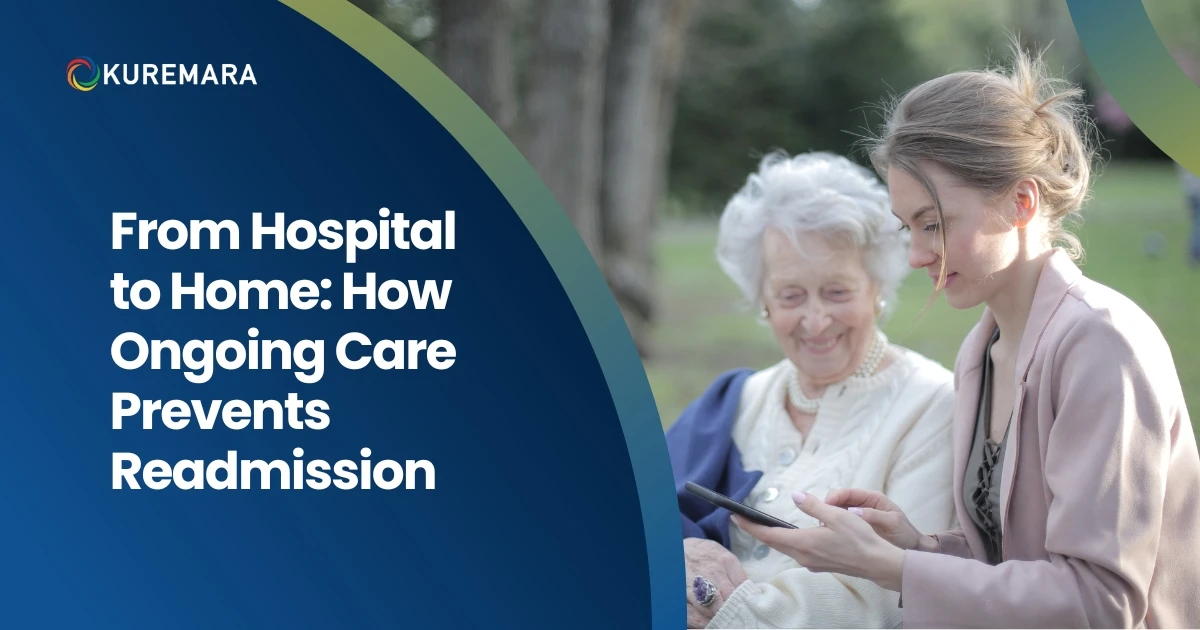
Every year, thousands of people across the United Kingdom face an unexpected setback after returning home from hospital readmission. While hospitals work tirelessly to discharge patients safely, the transition from hospital to home can be challenging. Many individuals, especially older adults and those living with chronic conditions, struggle to manage recovery on their own. Missed medication, lack of mobility support, and loneliness can all contribute to a return trip to the hospital within weeks.
That’s where ongoing home care plays a vital role. With the right support, the period after hospital discharge can become a time of recovery, not relapse. Trained carers, structured routines, and professional oversight at home can significantly reduce the risk of readmission, helping people heal in comfort and with dignity.
Understanding the Risk of Readmission
A hospital readmission typically occurs when a patient returns to hospital within 30 days of being discharged. According to data from the National Library of Medicine, avoidable readmissions often stem from inadequate post-discharge planning and lack of support at home. In the UK, hospital readmissions add not only to NHS pressure but also emotional and financial strain for families.
Common causes of hospital readmission include:
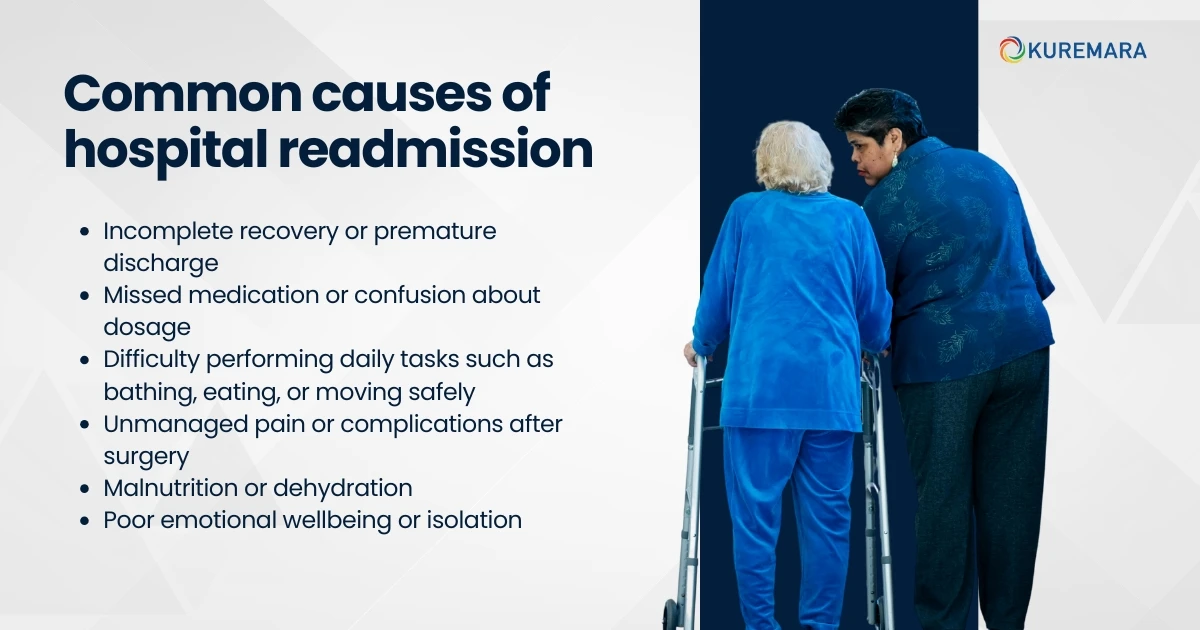
- Incomplete recovery or premature discharge
- Missed medication or confusion about dosage
- Difficulty performing daily tasks such as bathing, eating, or moving safely
- Unmanaged pain or complications after surgery
- Malnutrition or dehydration
- Poor emotional wellbeing or isolation
Each of these factors highlights one reality: hospital care cannot stand alone. Once a patient leaves the hospital, continuity of care must continue at home, and that’s where professional support makes all the difference.
The Transition from Hospital to Home: A Critical Phase
The days and weeks immediately following a hospital stay are the most vulnerable. While families often do their best to help, the recovery process can be complex particularly for individuals managing multiple conditions or recovering from surgery.
An effective hospital discharge care plan involves much more than signing papers. It includes follow-up appointments, medication reviews, home adjustments, and support to manage daily needs. When these steps are skipped or rushed, the risk of complications grows.
For example, if an older adult with limited mobility returns home without safety measures such as grab bars, ramps, or a fall-prevention plan, they are at high risk of injury and possible readmission. Similarly, without consistent monitoring of blood pressure, diet, or medication, chronic conditions can quickly deteriorate.
That’s why many families now turn to CQC-registered homecare providers like Kuremara to ensure that recovery continues safely and smoothly at home.
How Ongoing Home Care Makes the Difference
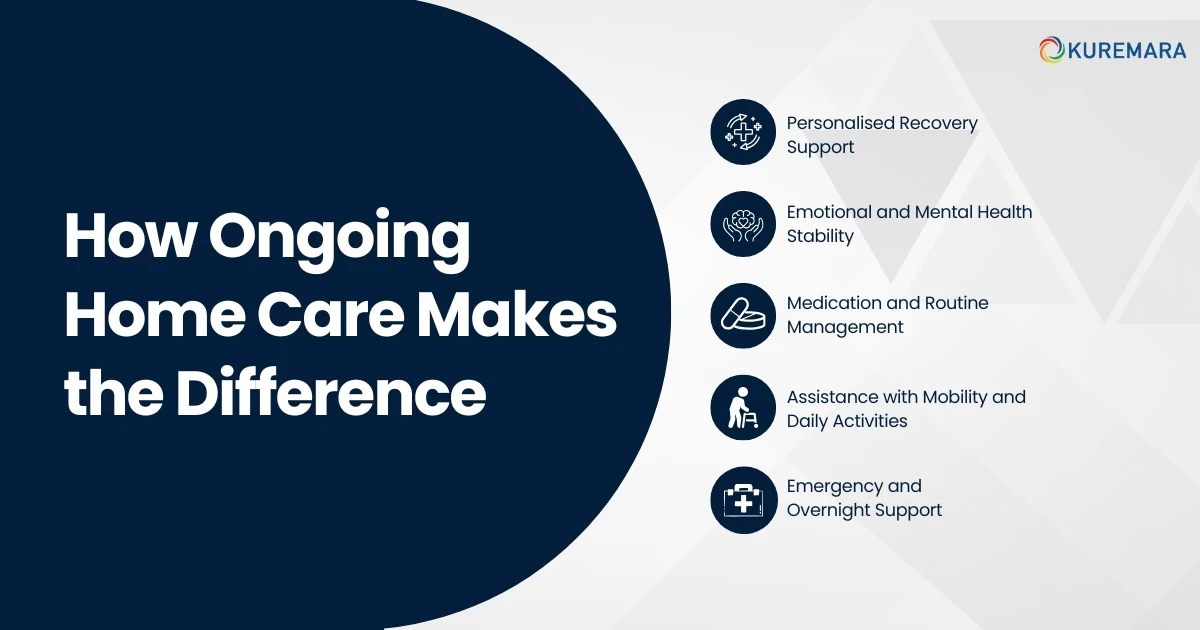
1. Personalized Recovery Support
No two recoveries are the same. A person healing from a hip replacement has different needs from someone recovering from a stroke or living with dementia. Ongoing home care bridges this gap through individualised care plans that reflect a person’s medical history, mobility, emotional wellbeing, and home environment.
Carers work closely with healthcare professionals such as nurses, physiotherapists, and GPs to ensure the recovery plan is consistent. This coordinated approach reduces confusion, ensures proper follow-up, and helps individuals regain independence at their own pace.
2. Medication and Routine Management
Medication errors are among the most common causes of readmission. Forgetting a dose, misunderstanding instructions, or mixing prescriptions can have serious consequences. Professional carers ensure that medications are taken correctly and on time, and they can communicate promptly with doctors if side effects occur.
Moreover, carers help maintain daily routines ensuring meals, rest, and rehabilitation exercises happen consistently. This structure not only supports physical recovery but also provides a sense of stability that many individuals need after hospitalisation.
3. Emotional and Mental Health Stability
Healing isn’t just physical. Emotional wellbeing plays a critical role in recovery, especially for older adults. After discharge, patients often feel anxious, lonely, or uncertain particularly if they live alone or have lost confidence after illness.
Companionship care provides reassurance and emotional comfort during this vulnerable period. Regular interaction, shared activities, and compassionate listening can ease stress and reduce the risk of depression or withdrawal.
4. Assistance with Mobility and Daily Activities
Regaining independence takes time. Whether someone is recovering from surgery, managing a neurological condition, or simply regaining strength, mobility support is essential. Carers assist with walking, stretching, and gentle exercises recommended by healthcare professionals.
They also help with everyday tasks; dressing, grooming, meal preparation, and household chores to reduce the burden on families and prevent falls or fatigue. This kind of in-home recovery care ensures that individuals stay active, nourished, and safe in their familiar surroundings.
5. Emergency and Overnight Support
For many families, the nights can be the most worrying time after hospital discharge. A sudden fever, fall, or breathing issue can happen unexpectedly and without support, it can quickly lead to another hospital trip.
That’s why overnight care and respite care are invaluable. Carers remain vigilant through the night, ensuring that any signs of distress are addressed promptly. Families gain peace of mind knowing their loved one isn’t alone, and patients rest better knowing help is nearby.
The Preventive Impact: Fewer Readmissions, Better Outcomes
Evidence consistently shows that patients receiving consistent home-based support experience significantly fewer readmissions. According to the National Institute for Health and Care Research (NIHR), well-coordinated community and homecare interventions can reduce preventable readmissions by up to 25%.
The reasons are clear:
- Medication adherence improves under supervision.
- Nutrition and hydration remain consistent.
- Rehabilitation progresses faster with daily assistance.
- Monitoring and early intervention prevent complications.
- Emotional wellbeing fosters recovery motivation.
By maintaining open communication between hospitals, GPs, and homecare providers, families create a continuum of care that promotes long-term stability and health.
For individuals living with chronic illnesses such as heart disease, diabetes, or COPD, this continuity can mean fewer emergency admissions and an improved quality of life.
How Families Can Support Safe Recovery at Home
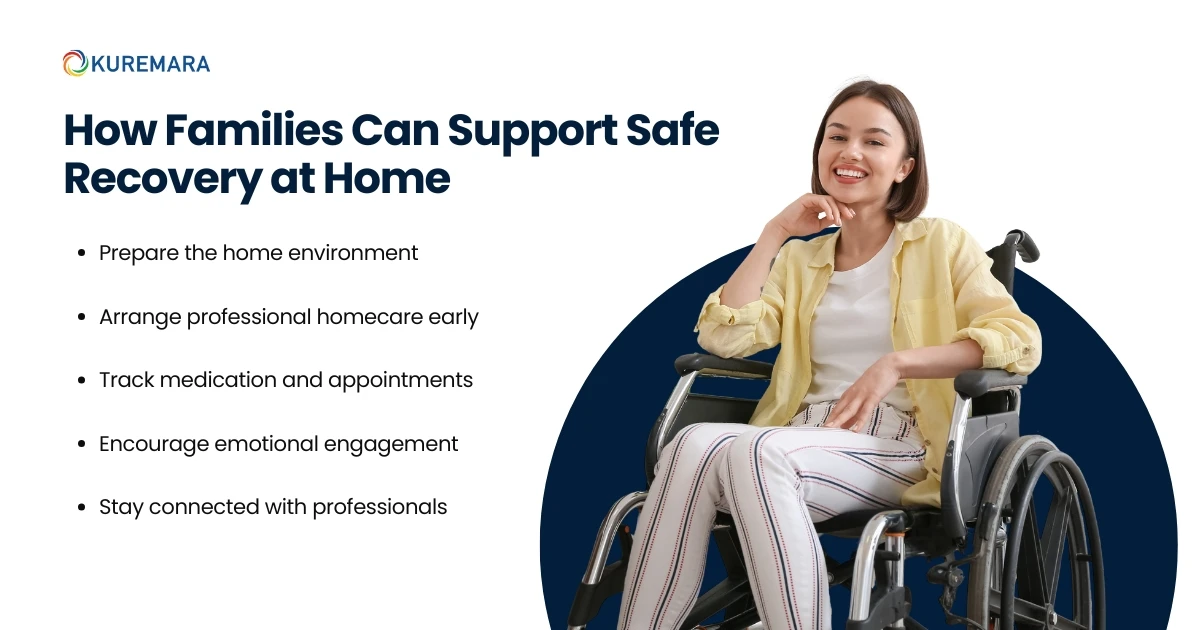
Families are often the backbone of post-hospital care. However, they need the right knowledge and tools to ensure safety and comfort. Here are five key steps families can take:
1. Prepare the home environment – Remove clutter, add grab rails, ensure easy access to bathrooms and bedrooms.
2. Arrange professional homecare early – Don’t wait until after discharge; plan care before hospital release.
3. Track medication and appointments – Use reminder charts or digital apps to stay organised.
4. Encourage emotional engagement – Talk, read, or share light activities to reduce loneliness.
5. Stay connected with professionals – Keep communication open with GPs, therapists, and carers.
By combining family support with professional care, recovery becomes safer, faster, and less stressful.
Why Choose Kuremara for Post-Hospital and Ongoing Care
At Kuremara, we believe recovery truly begins at home. As a CQC-registered homecare provider in the United Kingdom, we specialise in bridging the gap between hospital discharge and full recovery.
Our team of experienced carers and nurses are trained to deliver compassionate, person-centred care that meets both medical and emotional needs. Whether it’s short-term post-hospital assistance or long-term complex care, we tailor every care plan to suit individual goals and lifestyles.
Our services include:
- Complex In-Home Care for medical and rehabilitation support
- Hourly Visiting Care for flexible assistance
- Live-In Care for 24-hour personalised supervision
- Overnight Care for continuous safety
- Respite Care for families who need a break
- Companionship Care to promote social and emotional wellbeing
Every Kuremara carer is DBS-checked, trained, and supported by our clinical management team, ensuring quality and reliability in every interaction.
Conclusion: Recovery Begins Where Comfort Lives at Home
The journey to full recovery doesn’t end at hospital discharge. Without the right support, the risk of readmission remains high but with professional ongoing home care, recovery becomes safer, smoother, and more empowering.
At Kuremara, we are dedicated to helping individuals transition confidently from hospital to home. Our compassionate team focuses on both medical and emotional recovery, ensuring peace of mind for families and comfort for those in care.
If you or your loved one is returning home after a hospital stay, contact Kuremara today to learn how our personalised ongoing care can help prevent readmission and promote lasting recovery.