Elder abuse is one of the most hidden and underreported issues affecting older adults, often occurring behind closed doors and escalating long before anyone notices. As the population ages and more seniors express the desire to remain in the comfort of their own homes, the need for safe, structured, and reliable elder-care solutions grows dramatically. In this landscape, professional home-care providers play a critical protective role. Unlike occasional family visits, trained carers offer consistent oversight, skilled support, and safeguarding awareness that help detect early warning signs of neglect or abuse.
Kuremara, a trusted home-care provider in the United Kingdom, exemplifies how high-quality domiciliary care can help protect seniors while allowing them to live with dignity, independence, and peace of mind.
What Is Domiciliary (Home) Care and Why It Matters
Understanding domiciliary care / home care
Domiciliary care, often referred to as home care, is a non-institutional form of support delivered directly within an individual’s home. It assists older adults with daily living activities such as personal care, mobility, meal preparation, household tasks, and maintaining a safe environment. This type of care aligns with guidance from health authorities and leading home-care organisations, offering structured support without requiring seniors to move into a residential facility.
Home care comes in many forms, including hourly or visiting care, live-in care, overnight care, respite care, companionship support, and specialist complex-care services for those with advanced needs. These options give families flexibility while ensuring that older adults receive appropriate and compassionate assistance.
Crucially, domiciliary care differs from residential care because it allows seniors to remain in familiar surroundings. They keep their routines, possessions, neighbourhood, and sense of autonomy, all of which contribute to emotional well-being, stability, and quality of life.
Benefits of domiciliary care for older adults
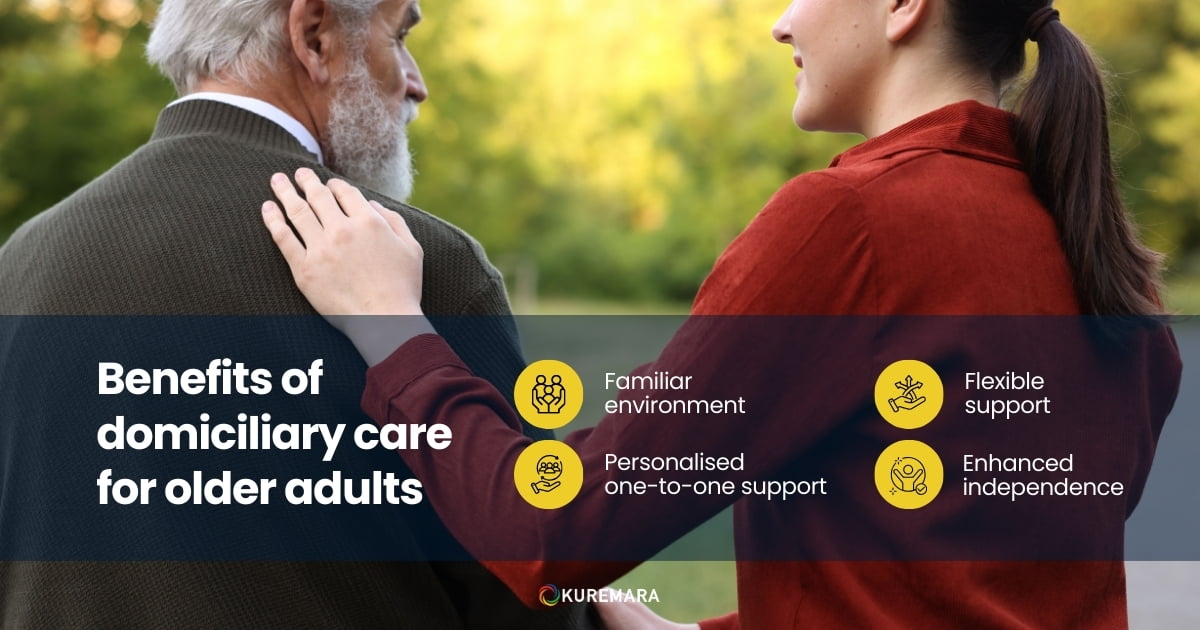
Receiving care at home provides meaningful advantages:
- Familiar environment: Staying at home provides comfort, reduces anxiety, and maintains emotional connection to lifelong surroundings.
- Personalised one-to-one support: Carers can tailor care plans to the individual’s cultural, physical, and emotional needs.
- Flexible support: From occasional visits to full-time live-in assistance, care adapts to evolving requirements.
- Enhanced independence: Seniors maintain control over their routines and lifestyle, reinforcing dignity and mental well-being.
These benefits make domiciliary care an essential pillar for safe ageing.
Why Elders Are Particularly Vulnerable to Abuse and Neglect at Home
Older adults often rely heavily on others for mobility, personal hygiene, household tasks, and healthcare management. This dependency can, unfortunately increase vulnerability to neglect or intentional harm.
Elders who live alone or have limited family contact may face heightened risks due to prolonged isolation. With little external oversight, changes in physical health, behaviour, or home conditions can go unnoticed.
Abuse may manifest as physical harm, emotional distress, financial exploitation, neglect, or unsafe living environments, and in many cases, older adults feel too embarrassed, frightened, or dependent to report it. Professional oversight therefore, becomes essential.
Role of Home-Care Providers in Detecting and Preventing Elder Abuse
What home-care providers do: beyond basic care
Modern home-care services extend well beyond personal tasks. Trained carers support seniors with bathing, grooming, toileting, meal preparation, medication reminders, mobility, and household tasks, ensuring a safe and stable daily routine.
Importantly, they also provide companionship. For some seniors, a carer may be the only regular visitor, helping to reduce loneliness and create meaningful social interaction.
Professional home-care providers can customise care based on each person’s needs from brief daily check-ins to dedicated live-in support offering flexible solutions designed around safety and comfort.
Safeguarding responsibility – identifying and reporting signs of abuse or neglect
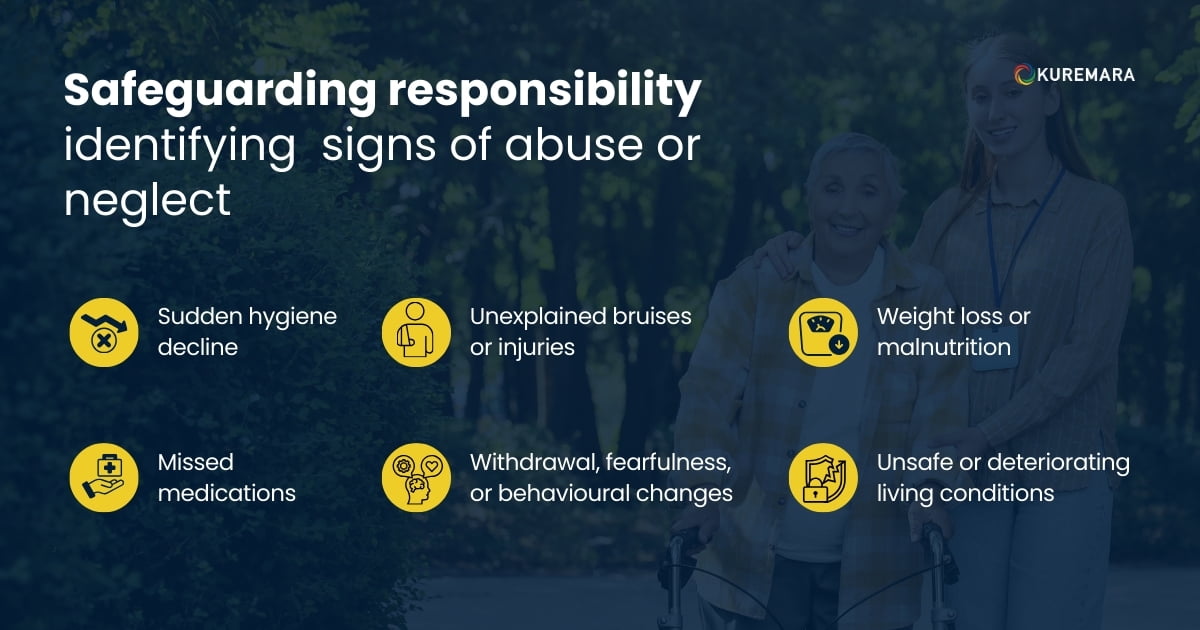
Carers are trained in safeguarding, meaning they know how to recognise indicators of mistreatment or risk. Because they visit regularly, they are uniquely positioned to observe changes that others might miss, such as:
- Sudden hygiene decline
- Unexplained bruises or injuries
- Weight loss or malnutrition
- Missed medications
- Withdrawal, fearfulness, or behavioural changes
- Unsafe or deteriorating living conditions
Their presence adds a critical layer of protection, as they are obligated to report concerns in line with safeguarding protocols. This structured oversight reduces the likelihood that elder abuse remains hidden or unaddressed.
Building trust, dignity and open communication
Carers often build deep, trusting relationships over time. This trust encourages older adults to express concerns they might hesitate to share with family, especially if the abuse involves someone they know.
Through consistent visits, carers create opportunities to ask supportive questions, ensuring the senior feels respected, safe, and heard.
How Kuremara Provides Protective, Compassionate Home Care in the UK
Who is Kuremara?
Kuremara is a CQC-registered domiciliary care provider delivering high-quality home-care services across the United Kingdom. Their offerings include live-in care, hourly visits, respite support, overnight care, companionship care, and complex care for individuals requiring advanced assistance.
Their model emphasises personalised care planning, flexibility, independence, and dignified living, all while maintaining a safe, nurturing environment.
How Kuremara’s services support elder abuse detection and prevention
Kuremara’s trained carers offer regular, attentive support. Whether providing daily visits or round-the-clock live-in care, they continuously monitor the senior’s well-being, home environment, nutrition, hygiene, and safety.
Because safeguarding is a core component of their training, carers are able to identify signs of neglect or abuse early and follow established reporting procedures.
Kuremara also prioritises emotional connection and companionship, helping reduce loneliness and creating a safe space for seniors to confide in a trusted professional.
Advantages over informal care
Unlike informal caregivers, professional home-care staff are trained, vetted, supervised, and accountable. This ensures consistency, reliability, and an informed awareness of safeguarding risks.
Kuremara can also adapt care plans as needs evolve, offering continuity of care something that ad-hoc family visits cannot always guarantee.
Additionally, home-care support reduces the strain on family caregivers, lowering the risk of burnout-related neglect.
How Families and Communities Can Leverage Home-Care Services for Elder Safety
When to consider domiciliary care
Families may consider home care when:
- An older adult wants to remain at home but needs help with daily activities
- Family members cannot provide regular or adequate support
- Signs of isolation or neglect appear
- The family wants ongoing professional oversight and peace of mind
Choosing a reputable home-care provider
Key questions to ask include:
- Is the agency fully regulated by the CQC or equivalent authority?
- Are carers trained in safeguarding and abuse identification?
- Do they offer flexible, personalised care plans?
- Do they prioritise dignity, respect, and emotional well-being?
- Are there transparent reviews, supervision processes, and open communication channels?
Challenges and Ethical Considerations in Home Care-Based Protection
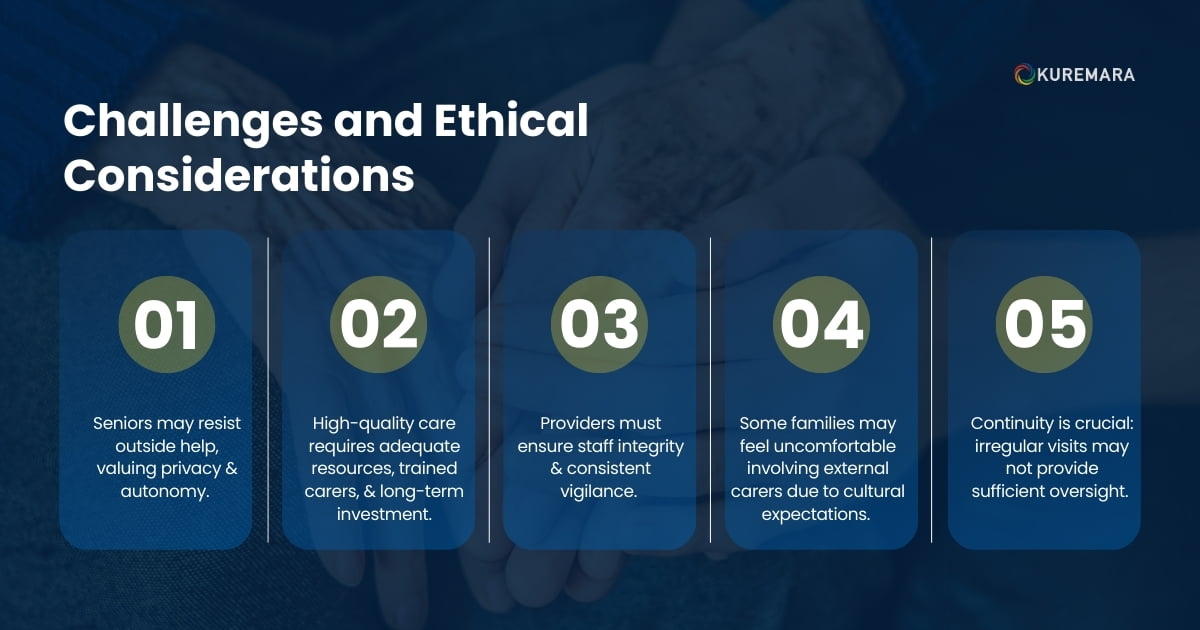
While home care offers significant benefits, it also presents considerations:
- Seniors may resist outside help, valuing privacy and autonomy.
- High-quality care requires adequate resources, trained carers, and long-term investment.
- Providers must ensure staff integrity and consistent vigilance.
- Some families may feel uncomfortable involving external carers due to cultural expectations.
- Continuity is crucial: irregular visits may not provide sufficient oversight.
Acknowledging these challenges helps families make informed, compassionate decisions.
Conclusion
Elder abuse often remains silent, hidden, and unreported, but with the right support structure, much of it can be prevented. Domiciliary care providers like Kuremara offer a powerful layer of protection by delivering personalised care, emotional support, and professional safeguarding within the comfort of the home. Their regular presence helps detect early warning signs, reduces isolation, and ensures that seniors live with dignity and respect.
Families, community members, and professionals can all play a role by encouraging safe, structured care options and staying attentive to the needs of older loved ones. If an elder lives alone, struggles with daily activities, or shows signs of vulnerability, home-care support may be the most effective step toward ensuring their well-being.
Explore reputable home-care providers, discuss options with your loved ones, and prioritise safety and regular human connection, because every senior deserves to get age with dignity, respect, and protection.