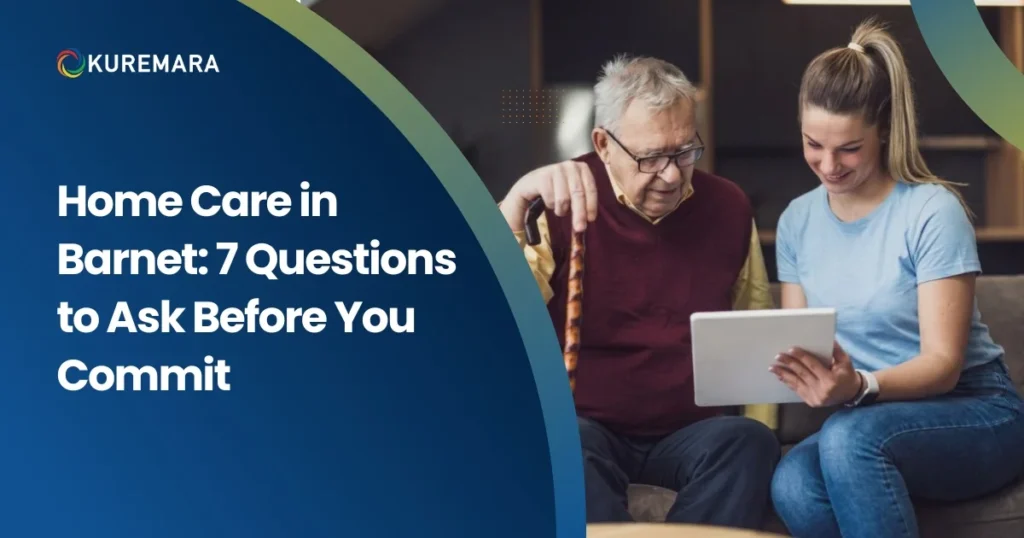
Choosing home care for yourself or a loved one is one of the most significant decisions a family will make. Unlike picking a restaurant or a tradesperson, the stakes are deeply personal: you are inviting someone into a private home, trusting them with someone’s safety, dignity, and daily wellbeing.
In Barnet, a London borough with one of the largest and fastest-growing older populations in the capital, the demand for high-quality home care has never been greater. According to the Office for National Statistics (ONS) 2024-based National Population Projections, the most authoritative set of UK demographic statistics, published in April 2026, the number of people of pensionable age across the UK is projected to increase by 14.6% between mid-2024 and mid-2034, rising from 12.4 million to 14.2 million. By mid-2049, that figure is projected to grow a further 23.7%, reaching 15.3 million, making pensionable-age people the fastest-growing life stage in the country. For an outer London borough like Barnet, which already has a substantially older demographic profile than many inner-city areas, these national trends translate directly into rising local demand for care.
But rising demand has also produced a crowded market, and not every provider is equal. Whether you are searching for home care services in Barnet for the first time or reconsidering an existing arrangement, knowing which questions to ask can mean the difference between confident peace of mind and costly regret.
Here are seven essential questions you should ask any home care provider before you commit.
1. Are You Registered and Regulated by the Care Quality Commission (CQC)?
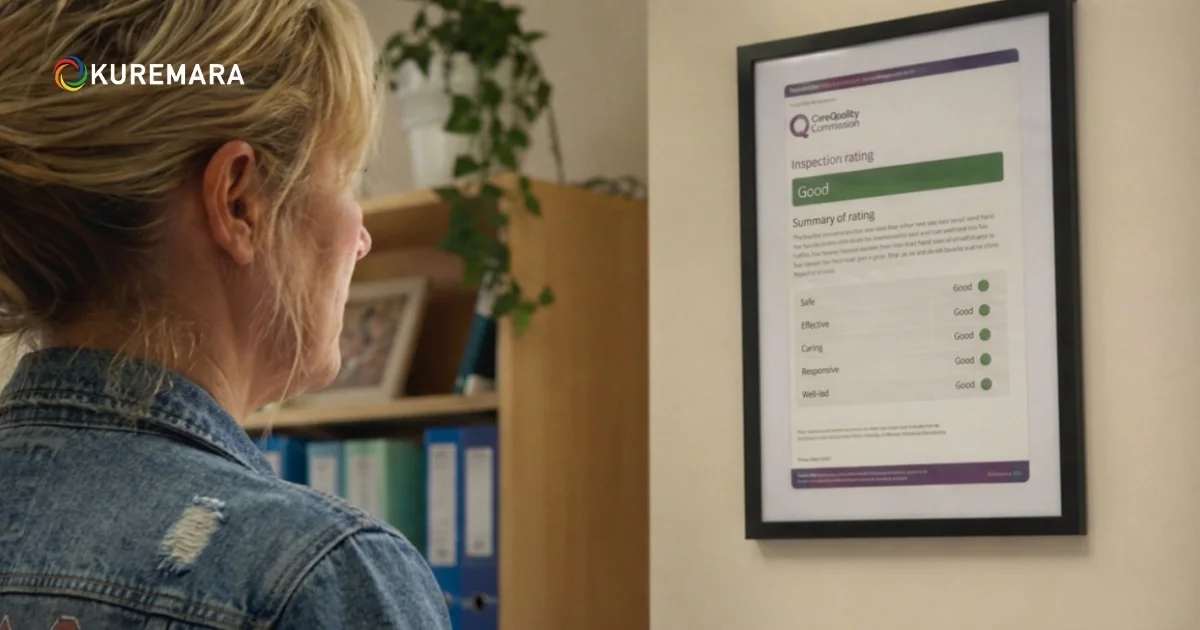
This is not optional; it is the law.
In England, any organisation providing regulated personal care must be registered with the Care Quality Commission (CQC), the independent regulator of health and social care. Registration means the provider has met minimum legal standards across five domains: safe, effective, caring, responsive, and well-led.
Before signing any contract, ask to see the provider’s CQC registration number and look them up directly on the CQC’s public register at cqc.org.uk. Check their most recent inspection report and rating. Providers rated “Good” or “Outstanding” should be your baseline. A “Requires Improvement” or “Inadequate” rating is a serious warning sign.
When searching for domiciliary care in Barnet, always verify this independently; do not rely solely on what the provider tells you.
“Data point: As of 2024, approximately 17% of adult social care providers in England were rated “Requires Improvement” or “Inadequate” by the CQC. Quality genuinely varies.”
2. What Training and Qualifications Do Your Care Workers Hold?

Your family member’s safety and dignity rest with the individual who walks through their door every morning. Ask detailed, specific questions about how carers are trained and what qualifications they hold.
Key questions to ask:
- Do care workers hold a Care Certificate or equivalent induction qualification?
- Are they trained in manual handling, medication administration, safeguarding adults, infection control, and first aid?
- How often is refresher training delivered?
- Are carers trained in specialist needs such as dementia care, Parkinson’s, stroke recovery, or end-of-life care?
The Care Certificate, a nationally recognised set of 15 standards developed by Skills for Care, Health Education England, and NHS England, is the industry benchmark for entry-level care workers in England. Any reputable domiciliary care provider in Barnet should be ensuring their workforce holds or is actively working towards it.
Ask whether training is delivered in-house or via accredited external programmes, and whether workers are encouraged to progress toward a Level 2 or Level 3 Diploma in Health and Social Care.
3. How Do You Match Carers to Clients?
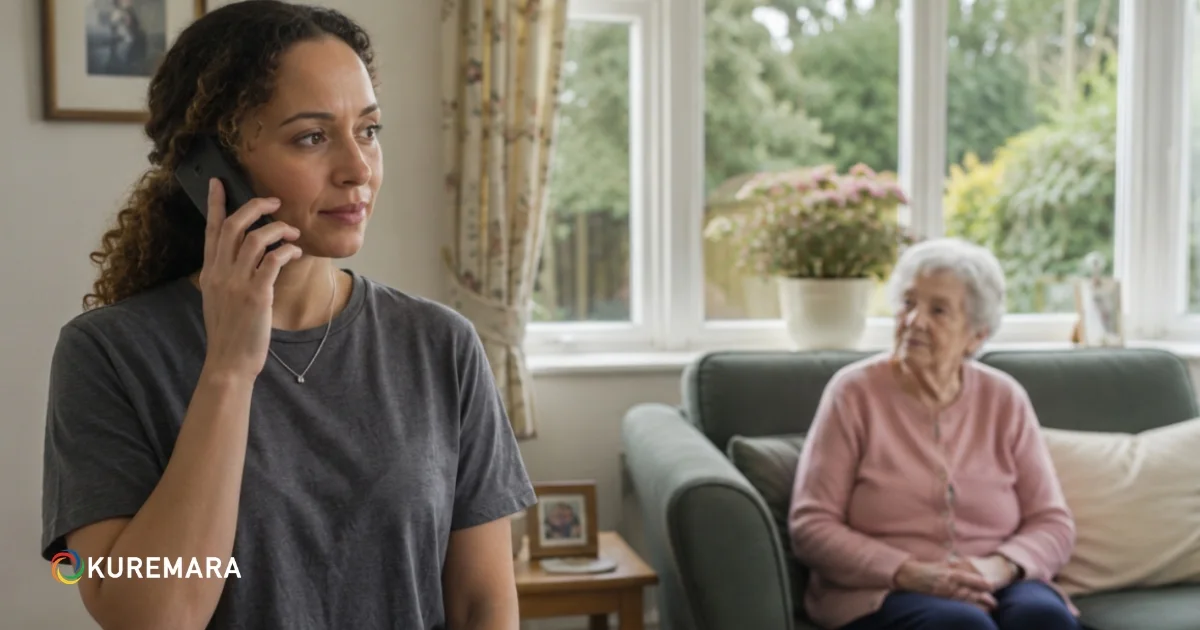
This question tells you a great deal about a provider’s values.
Care is not a transactional service. A consistent, trusted relationship between a carer and a client is one of the strongest predictors of positive outcomes in home care. Research published by the Social Care Institute for Excellence (SCIE) consistently shows that continuity of care, having the same carer or small team of carers, significantly reduces anxiety, improves communication, and helps identify subtle changes in a person’s health or mood early.
Ask:
- How do you decide which carer is assigned to my relative?
- Do you take into account personality, interests, language, and cultural background?
- What happens if a carer is unavailable is there a consistent backup, or will a stranger turn up?
- Can the client or family meet the carer before care begins?
A provider who takes matching seriously will have a process to answer this question confidently. Vague answers, “we’ll find someone suitable,” should raise a flag.
4. What Does Your Care Plan Look Like, and Who Creates It?
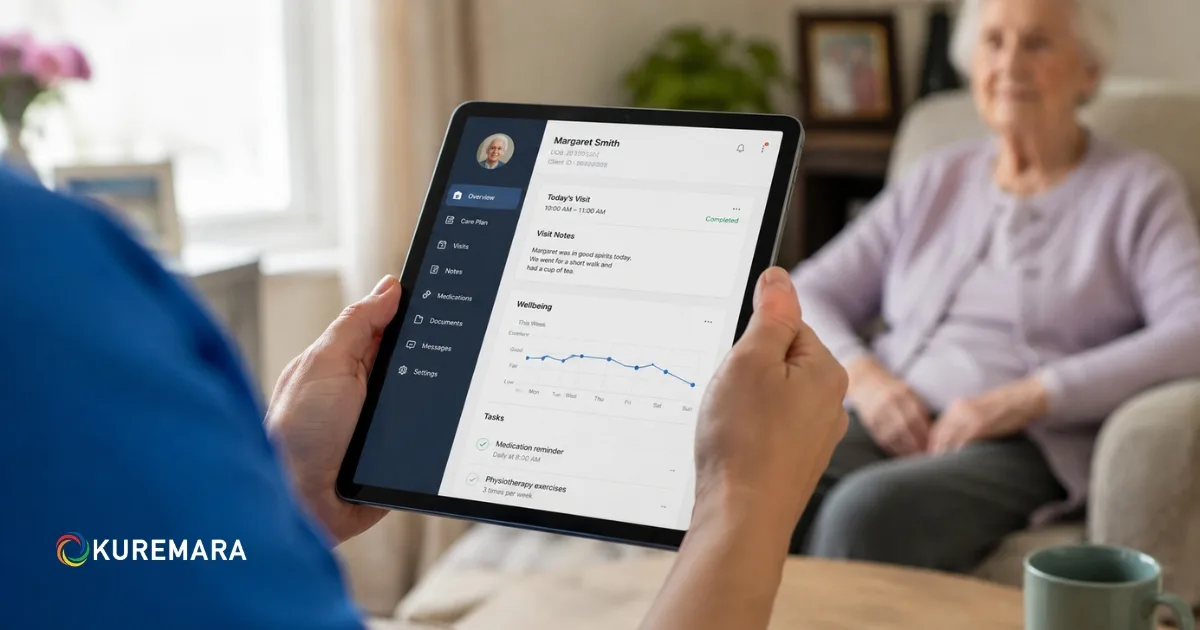
A care plan is not a box-ticking exercise. It is the document that governs every visit, every interaction, and every decision made in the absence of the family. It should be detailed, personalised, and regularly reviewed.
Ask the provider:
- Who conducts the initial care needs assessment, a trained assessor or an administrator?
- Is the care plan created with the client and family, or for them?
- How often is the plan reviewed and updated?
- What happens when needs change is there a formal process, or informal ad-hoc adjustments?
Under the Care Act 2014, local authorities have a duty to carry out needs assessments and involve people in their care planning. A good home care provider should mirror these principles regardless of whether the package is funded privately or through the council.
If a provider cannot show you an example care plan structure or explain how they personalise it, the care being delivered may be similarly generic.
5. How Do You Handle Safeguarding, Complaints, and Emergencies?
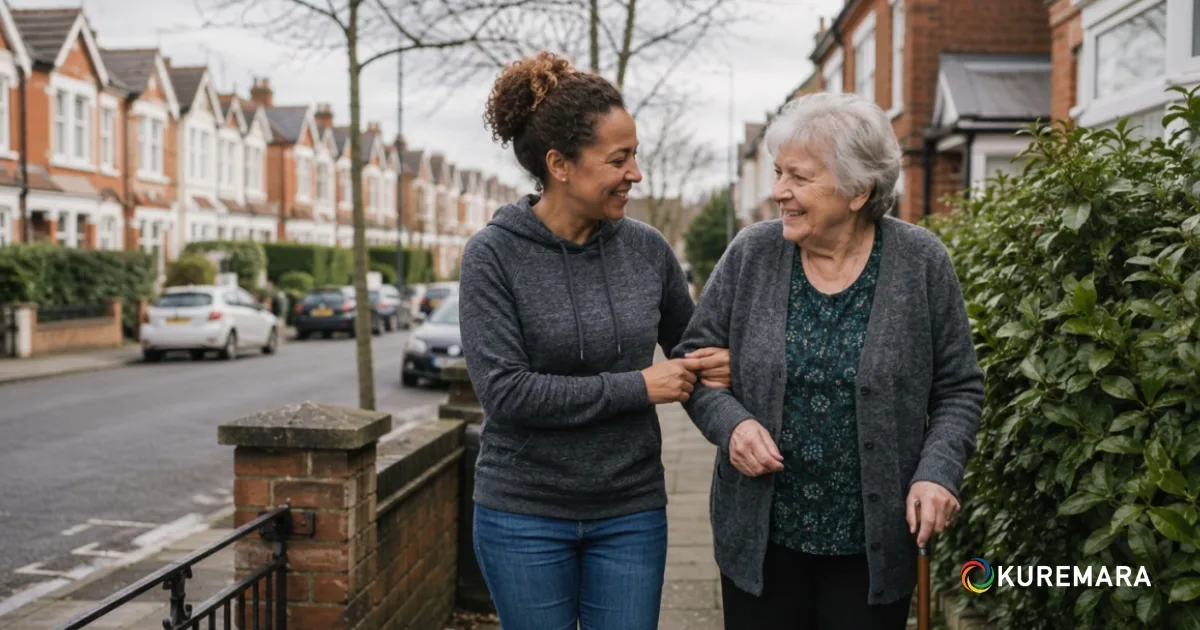
This question separates professional organisations from ones operating without robust systems.
Safeguarding is the set of practices that protect vulnerable adults from abuse, neglect, or harm. Every care provider in England must have a safeguarding policy aligned with the Care Act 2014 and their local authority’s safeguarding procedures. In Barnet, this falls under the Barnet Safeguarding Adults Board.
Ask:
- What is your safeguarding policy, and are all staff trained in it?
- Who is your Designated Safeguarding Lead?
- If I or my relative have a complaint, what is the formal process?
- What happens in an emergency during a care visit do you have an out-of-hours contact line?
- Are care workers DBS (Disclosure and Barring Service) checked before they begin working?
By law, anyone working in regulated activity with vulnerable adults must have an Enhanced DBS check. If a provider cannot confirm this, walk away.
A good provider will also have an open, documented complaints procedure and will not be defensive about it. Complaints are how services improve.
6. How Is Care Monitored and How Will You Keep Me Informed?
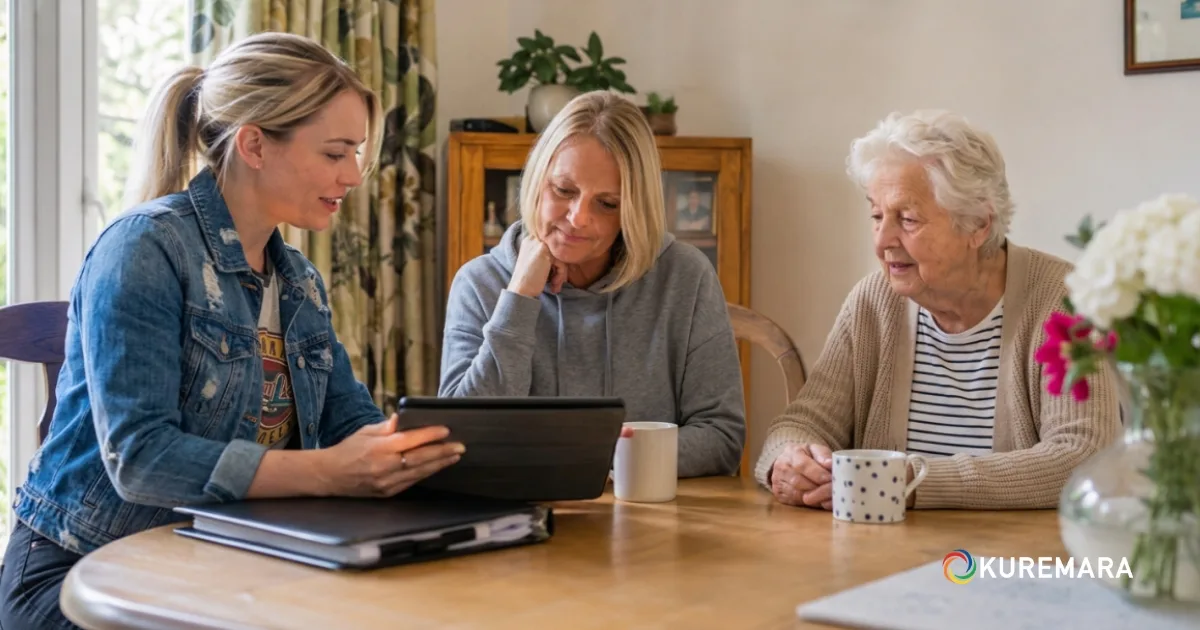
Once care begins, families should never feel like they are in the dark. The best home care services in Barnet use a combination of technology, regular communication, and structured review to keep families informed and care quality high.
Ask:
- Do care workers use a digital care management system to log visits, record observations, and flag concerns?
- Can family members access a secure portal or regular written summaries?
- How do you monitor whether visits happen on time and for the right duration?
- Who do I call if I have a concern at 9pm on a Sunday?
Modern domiciliary care providers use platforms like Log my Care, Person Centred Software, or Nourish to create real-time digital care records that are far more reliable than paper-based alternatives. These systems also create an audit trail that protects both the client and the carer.
According to a 2023 report by the Homecare Association, technology adoption in domiciliary care has accelerated significantly since the pandemic, with over 60% of providers now using some form of digital care records. If your provider is still running entirely on paper, it may indicate a broader reluctance to invest in quality.
7. What Are Your Fees, and What Exactly Is Included?

Care fees in London are among the highest in the country. A lack of transparency around costs is one of the most common sources of family dissatisfaction with care providers and one of the most avoidable.
Ask for a full, written breakdown before you agree to anything:
- What is the hourly rate, and does it vary by time of day, weekend, or bank holiday?
- What is the minimum visit length and is a 15-minute visit realistic for your relative’s needs?
- Are there additional charges for travel, administration, or care management?
- What notice period applies if circumstances change and you need to increase, reduce, or cancel care?
- If funding is via a local authority direct payment or NHS continuing healthcare funding, can you work within those frameworks?
The Homecare Association’s Minimum Price for Homecare 2024/25 recommends a rate of £29.20 per hour as the minimum necessary to deliver sustainable, high-quality domiciliary care in England a figure that reflects actual workforce, travel, and overhead costs.⁸ Providers quoting significantly below this rate should be asked hard questions about how they manage it.
Transparency is not just about price it is a signal of how the organisation operates overall.
Why These Questions Matter More in Barnet
Barnet is one of London’s most populous and diverse boroughs, spanning from the leafy suburbs of Hadley Wood and Cockfosters to the busy town centres of Finchley, New Barnet, and Hendon. Its population is older, on average, than many inner London boroughs, and its communities include large Jewish, South Asian, and East European populations each with distinct cultural expectations around care, food, language, and faith.
The national picture reinforces just how urgent local planning has become. The ONS 2024-based projections show that the old-age-dependency ratio (OADR) the number of people of pensionable age for every 1,000 people of working age is set to rise from 280 in mid-2024 to 310 by mid-2034, and reach 329 by mid-2049. Translated into everyday terms: there will be significantly fewer working-age people to support each older person, placing greater reliance on formal care services including domiciliary care to fill the gap.
Simultaneously, the same projections confirm that the number of children in the UK is projected to fall by 12.7% by mid-2034, while the working-age population grows only modestly at 3.4%. The demographic weight is shifting clearly and consistently toward older age groups. Boroughs like Barnet, already home to a substantial older population, will feel this shift acutely.
According to the London Borough of Barnet’s Adult Social Care data, the borough supports thousands of adults with care and support needs annually, with a growing proportion choosing to remain in their own homes rather than moving into residential settings.⁹
This means the market for home care services in Barnet is substantial but it also means families have more choices, and more responsibility, to choose wisely.
The right provider will welcome every question on this list. A hesitant or defensive response is data.
Why Families in Barnet Choose Kuremara
Kuremara is a CQC-registered domiciliary care provider serving communities across London, including Barnet and the surrounding areas. We exist because we believe every person deserves care that genuinely sees them not a rota slot, not a task list, but a person with a life, a history, and preferences that matter.
Here is how we answer the seven questions above:
1. Regulated and compliant. We are fully registered with the Care Quality Commission and committed to delivering care that meets and exceeds the standards families expect.
2. Trained, vetted, and values-led carers. Every Kuremara carer is DBS-checked, trained to the Care Certificate standard, and given ongoing specialist training in areas including dementia, medication management, and safeguarding. We do not cut corners on recruitment.
3. Thoughtful matching. We take time to understand your relative’s personality, preferences, cultural background, and routines before we match them with a carer. You meet the carer before care begins always.
4. Personalised care plans. Our care plans are built with clients and families, not handed down to them. They are reviewed regularly and updated whenever needs change.
5. Robust safeguarding. We have a designated safeguarding lead, a clear complaints process, and 24/7 on-call support for families and clients.
6. Digital transparency. We use a modern digital care management platform so families can stay informed, and our care managers conduct regular quality reviews on every package.
7. Honest, transparent pricing. We provide full written fee schedules before any agreement is made no hidden charges, no surprises.
If you are looking for home care in Barnet that you can trust, we would be glad to talk. A care assessment costs nothing, and understanding your options has no obligation attached.
Contact Kuremara today to speak with a member of our team or arrange a home visit.
Conclusion
Finding the right domiciliary care in Barnet takes time, but the right questions make it manageable. You are not being difficult by asking about CQC registration, carer training, safeguarding policies, or fees. You are being responsible and any provider worth choosing will respect that.
Use these seven questions as your framework. Take notes. Ask for things in writing. And trust your instincts: if a visit or conversation leaves you feeling uneasy, explore another option.
The right care provider will give your family confidence not just at the start, but every day that care is delivered.
Disclaimer
This article is intended for informational purposes. For personalised advice on care funding or care needs, please contact a qualified care professional or your local authority.